
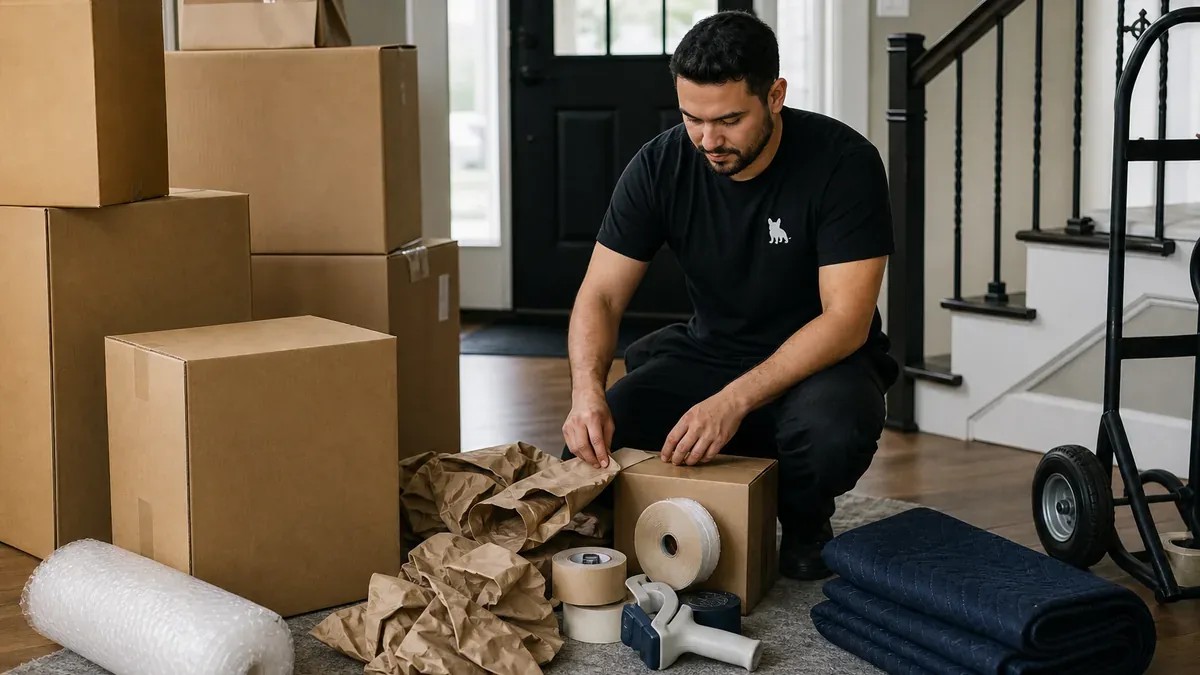
Discovering a damaged belonging after a move can be frustrating, especially when you remember how carefully it was packed before transportation. The situation becomes easier to navigate when you already understand the valuation option selected for your shipment.
Released Value Coverage is generally designed as a basic level of protection rather than a promise to reimburse the full purchase price of a damaged item. For interstate moves, federal rules require movers to offer Released Value Protection and Full Value Protection, with the specific terms explained in the moving documents.
First, Identify What Protection You Selected
The first step after discovering damage is to check your moving agreement.
Do not assume that every moving protection option works the same way. Released Value Coverage typically provides a limited valuation based on the weight of the shipment rather than the item’s full market or replacement value.
This distinction can be significant. A lightweight but expensive object may have a relatively low valuation under a weight-based arrangement.
Price Movers provides information about its moving protection options, including Released Value Coverage, through https://pricemovers.com/services/insurance/released-value-coverage.
Read the Actual Terms
The name of a protection option is only the starting point. Review the paperwork associated with your move to determine the applicable limitations, conditions, exclusions, and claim procedures.
If anything is unclear, contact the moving company and request an explanation of the relevant provision.
Document the Damage Immediately
Once you notice a problem, photograph it before attempting repairs or cleaning.
Take several images showing the damaged area from different angles. If possible, also photograph the entire item so its identity and overall condition are clear.
Keep the photographs together with your moving documents.
Don’t Throw Away Damaged Parts
A broken component may appear useless, but it can still be relevant when documenting what happened. Keep damaged pieces, packaging, and other related materials until the matter has been reviewed.
Do not discard the box simply because the contents are damaged.

Check the Condition Before Moving
One reason pre-move documentation matters is that not every imperfection necessarily occurred during transportation.
Before a move, photograph valuable furniture, electronics, appliances, artwork, and other important belongings. Existing scratches, dents, cracks, and other defects should be visible in the record.
If an item arrives with new damage, your before-and-after photographs can provide useful context.
Understand Why Weight Can Matter
Released Value Coverage is fundamentally different from protection based on the full value of an item.
Suppose a heavy piece of ordinary furniture is damaged. Its weight may have a much greater influence on the applicable valuation than the replacement price of a lightweight luxury item.
That is why customers with expensive or difficult-to-replace belongings should understand the valuation option before moving day rather than assuming basic protection will reimburse the item’s purchase price.
Report the Problem Through the Appropriate Process
If you discover damage, follow the claim or complaint procedure described in your moving documentation.
Keep copies of relevant correspondence, photographs, inventories, receipts, and other supporting information.
Provide a clear description of the item and what happened to it. Avoid exaggerating the condition or speculating about the cause if you do not know exactly what occurred.
A straightforward record is generally more useful than a long explanation.
Consider the Difference Between Repair and Replacement
A damaged item may not necessarily need to be replaced.
Depending on the circumstances and the terms of the applicable valuation, the resolution may involve repair or another form of compensation. The precise outcome depends on the agreement and the facts of the individual situation.
For this reason, avoid arranging expensive repairs before understanding whether documentation or inspection is required.
Be Especially Careful With Valuable Items
Released Value Coverage may not be the most suitable choice for every household.
If your inventory contains expensive electronics, artwork, collectibles, designer furniture, antiques, or other belongings whose financial value is much higher than their physical weight suggests, examine the available valuation options carefully.
Price Movers’ main website, https://pricemovers.com/, provides access to its broader moving solutions for customers planning different types of relocations.
Keep Valuable Items Well Documented
For higher-value possessions, retain receipts, appraisals, photographs, serial numbers, and other useful records where available.
These documents can make it easier to identify an item and establish its condition or value when questions arise.
Ask Questions Before the Next Move
If you have experienced damage under Released Value Coverage, use the situation as an opportunity to better understand moving protection before your next relocation.
Ask what valuation option applies, how claims are handled, what documentation is required, and whether different protection options are available for future shipments.
The most important lesson is that Released Value Coverage should be understood before belongings are loaded—not after something goes wrong. Reviewing the moving agreement, documenting possessions, keeping damaged materials, and following the appropriate reporting procedure can make an unpleasant situation considerably easier to manage.